What I Learned From My Glucose Monitor: The Order You Eat Your Food Matters
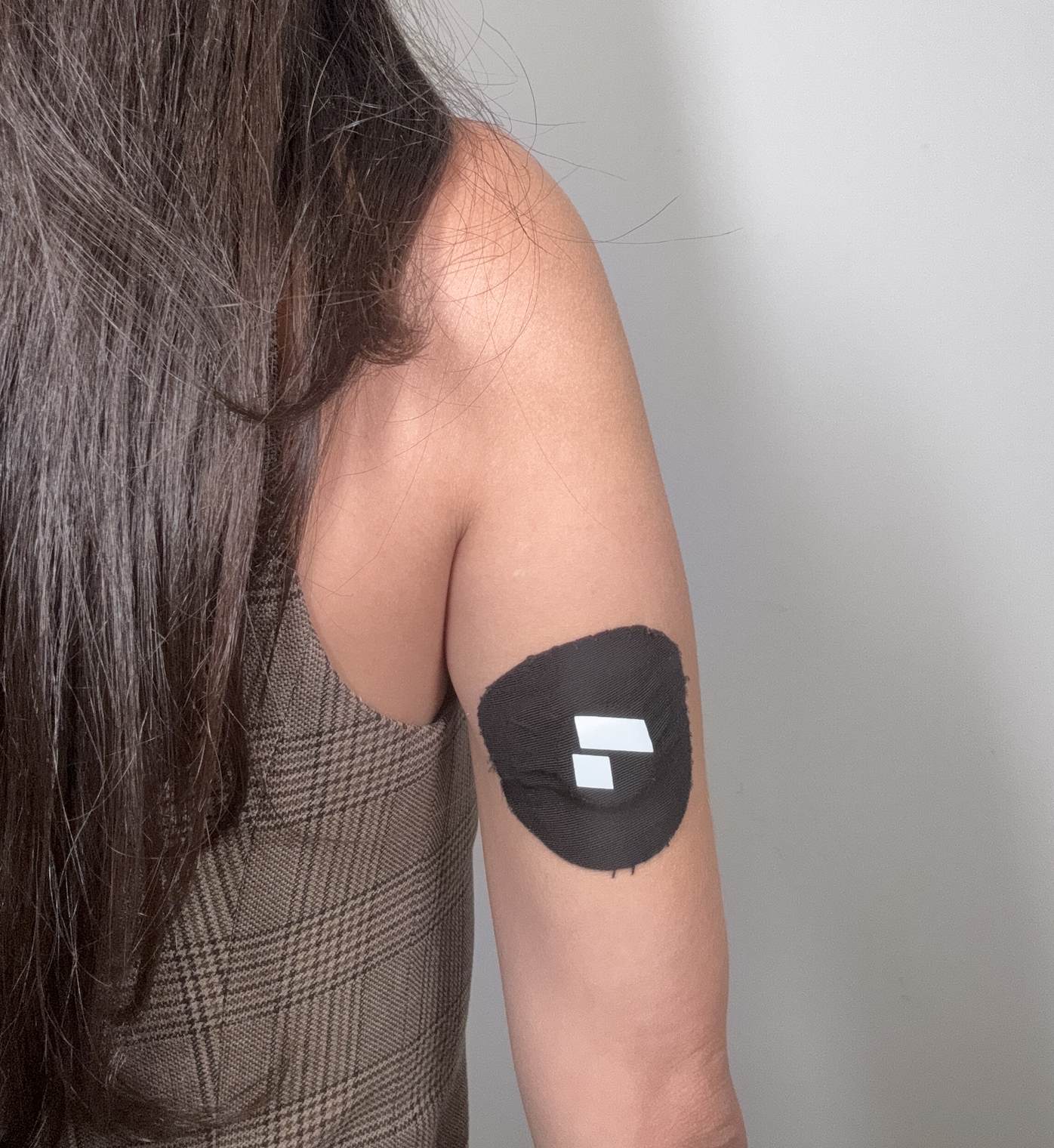
One of the biggest lessons my continuous glucose monitor (CGM) taught me is this:
How you eat your food affects your blood sugar just as much as what you eat.
I always thought that eating protein, veggies, and carbs together — like an egg-white veggie scramble on a wrap — was “balanced.”
But my CGM showed me something very different.
1. Eating Protein + Veggies First Flattens Glucose Spikes
This isn’t a trend — it’s a well-researched concept called meal sequencing or the “carbs last” method.
What the science shows
Clinical studies have found that eating protein and fiber before carbs can lower the glucose spike after a meal by 20–75%.
Why this works
Protein and fat slow digestion
→ Carbs enter the bloodstream more slowly.
Fiber creates a natural barrier
→ Glucose absorption is delayed.
Protein increases GLP-1
→ A hormone that levels out your blood sugar rise.
Insulin release becomes smoother
→ You get fewer abrupt spikes and crashes.
How I saw it on my CGM
When I ate everything together (protein + veggie + carb), the carb portion hit my bloodstream immediately — even if it was wrapped in something “healthy.”
But when I ate:
protein + veggies first,
carbs last,
…I saw:
a smaller glucose rise
a steadier curve
fewer post-meal crashes
Honestly, the difference was shocking. Same meal. Different order. Completely different glucose curve.
2. Why Eating Carbs Last Makes You Feel Better
Beyond the science, here’s what I noticed in my daily life:
Carbs first =
quick spike
energy crash
hunger shortly after
sometimes cravings
Carbs last =
steady energy
fuller for longer
no crash
fewer cravings later
3. Real-Life Example: My Egg Wrap
Instead of eating the whole wrap at once, I tried this:
Eat the eggs & veggies first
Wait 5–10 minutes
Then eat the wrap (or whatever carb I’m having)
My next glucose curve?
Smooth. Predictable. No dramatic climbs.
Same ingredients.
Just a smarter sequence.